Most Redondo Beach reroofs we pull permits for run 1 to 4 weeks of on-site work. The permit side is usually faster than a full remodel, but coastal exposure and older sheathing add wrinkles you do not see in Torrance or inland South Bay. Homes west of PCH, and anything within a half mile of King Harbor, sit in Exposure D wind zone, which means higher fastening schedules and a stricter underlayment spec.
We have reroofed everything from small South Redondo bungalows to the units at Broadway Lofts. The timeline below is what we actually see, not a brochure number. Fees, plan-check windows, and inspection sequencing all come from the Building Division at 415 Diamond Street.
Permit Counter and Plan Check
Simple like-for-like reroofs on single-family homes in Redondo Beach are usually over-the-counter. You bring the manufacturer spec sheet, a Class A assembly listing, and the site address. For a reroof under 2,500 square feet, the city fee schedule lists a flat permit charge.
If you are changing material class, adding solar-ready blocking, or the structure needs a load recheck, you drop into full plan check. The city posts a typical plan-check window of 4 to 8 weeks. Expedited review is available if you need to move faster.
Building Safety hours are Monday through Thursday, 7:30 a.m. to 5:30 p.m., with alternate Fridays. Get there before 9 a.m. if you want any counter time at all. Phone is (310) 318-0637.
Tear-Off and Sheathing
Tear-off on a typical 1,800 to 2,400 square foot roof runs one to two days. We dump into a bin on the driveway or the street with a city encroachment permit if there is no driveway room. Composition strips fast; concrete tile is slower because everything comes down by hand to protect the sheathing below.
Once the deck is exposed, we walk it with the owner. The common finding on 1950s and 1960s Redondo homes is soft sheathing at the eaves, valleys, and around old plumbing vents. Per CRC R905, sheathing has to be sound before new underlayment goes down. Rot cannot be covered.
We price sheathing replacement per sheet before tear-off, based on a probe inspection, so it is not a surprise change order. On a coastal home we usually budget for 4 to 12 sheets. Harbor-adjacent lots with older plywood sometimes need more.
Underlayment, Flashing, and Fasteners
This is where the coastal spec matters. ASCE 7 wind design in Exposure D drives a tighter nail pattern than the manufacturer's baseline. On composition roofs we run six nails per shingle standard, not four, west of Sepulveda.
Fasteners are marine-grade stainless or hot-dipped galvanized for anything within salt-air range of the harbor. Electro-galvanized nails rust out and you see the streaks within a couple of winters. Flashings at chimneys, skylights, and sidewalls get replaced, not reused.
Underlayment is typically a synthetic on steep-slope composition. On tile reroofs, the tile itself often has decades of life left, but the underlayment and battens do not. A full underlayment and batten replacement at 25 to 30 years is normal even when the tile looks fine.
Vents, Solar, and Code Triggers
A reroof triggers a few corrections that catch owners off guard. Plumbing vent termination heights on older houses often sit below current code, and the reroof is when they get raised. If you have an existing solar array, it comes off and goes back on, which needs coordination with the solar installer and adds a week to the schedule on either end.
Title 24 Part 6 §110.8 covers cool-roof requirements. Low-slope sections have to meet aged solar reflectance and thermal emittance minimums. Steep-slope requirements are relaxed but still apply, so the product you pick has to show a CRRC-listed value on the cut sheet.
If any part of the roof is low-slope, plan on TPO or PVC single-ply for that section rather than trying to run composition down onto a 2:12 pitch. It fails and it leaks.
Inspections and Final
Redondo Beach inspects reroofs in two stages on most jobs. First is a nail and underlayment inspection after tear-off, sheathing repair, and underlayment installation, before the finish material goes down. Second is the final after the roof is complete.
Book the first inspection the afternoon you finish underlayment so you are not sitting idle the next morning. Inspectors in Redondo generally hit the morning window if you call it in the day before. Final inspection is quick if the first one was clean, the ridge is vented per spec, and flashings are correct.
Total on-site time for a straightforward composition reroof is 5 to 8 working days. Tile runs longer, usually 10 to 15 working days, because of the weight, the batten work, and the pace of hand-loading. Add a week if you have solar coming off and going back on.
Weather and Scheduling
Redondo gets about 13.6 inches of rain a year, most of it December through March. We do not tear off a roof with rain in the 48-hour forecast, period. In May and June, morning marine layer can push the start time back an hour or two because underlayment and adhesives do not like wet decking.
Summer and early fall are the sweet spot. If you are planning a reroof, the phone call to us should happen in spring so we can pull permits and get you on the schedule before July.
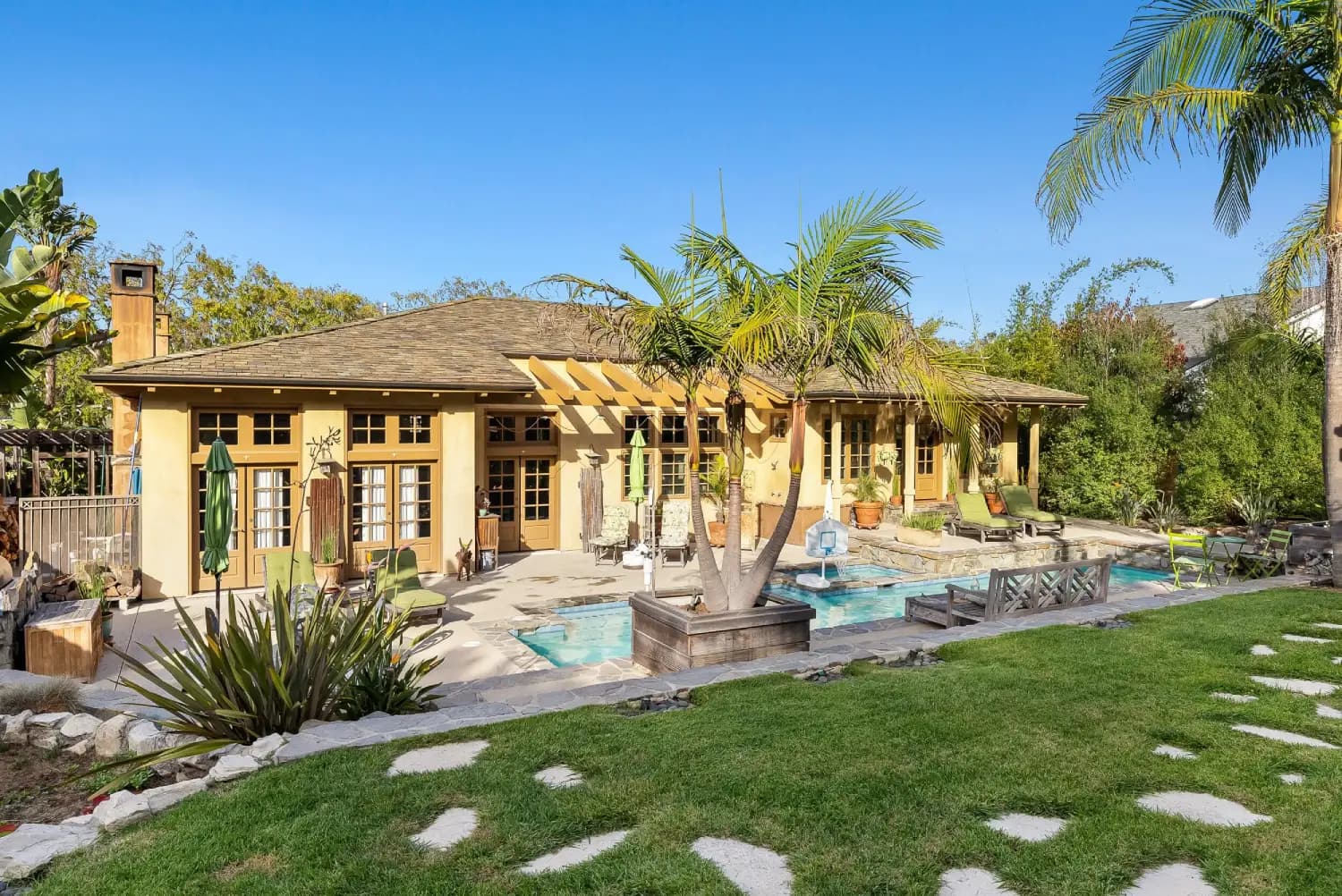
We coordinated the roof scope on the Redondo Beach Home around a tight framing sequence, and it still finished on the schedule we quoted at contract. That is what having an in-house crew instead of a sub gets you: schedule control.
FAQ
How long does the permit take for a like-for-like reroof? Usually same-day over the counter at 415 Diamond Street if the material is Class A and the assembly is listed. Bring the spec sheet.
Do I need plan check for a material change? Yes, or at least a structural review. Concrete tile to composition is fine without recheck, but composition to tile adds dead load and needs engineering.
Can I skip the sheathing inspection? No. It is called out in the permit, and covering rotted sheathing violates CRC R905. The inspector will fail it and you tear the new roof off.
Are stainless fasteners really necessary? West of Sepulveda and anywhere near the harbor, yes. Regular galvanized rusts within a couple of years in salt air, and the streaks show on light-colored shingles.
What about my solar panels? They come off before tear-off and go back on after the finish material. Coordinate with your solar installer early; that scheduling is usually the longest lead item on the whole job.