






Skip to content
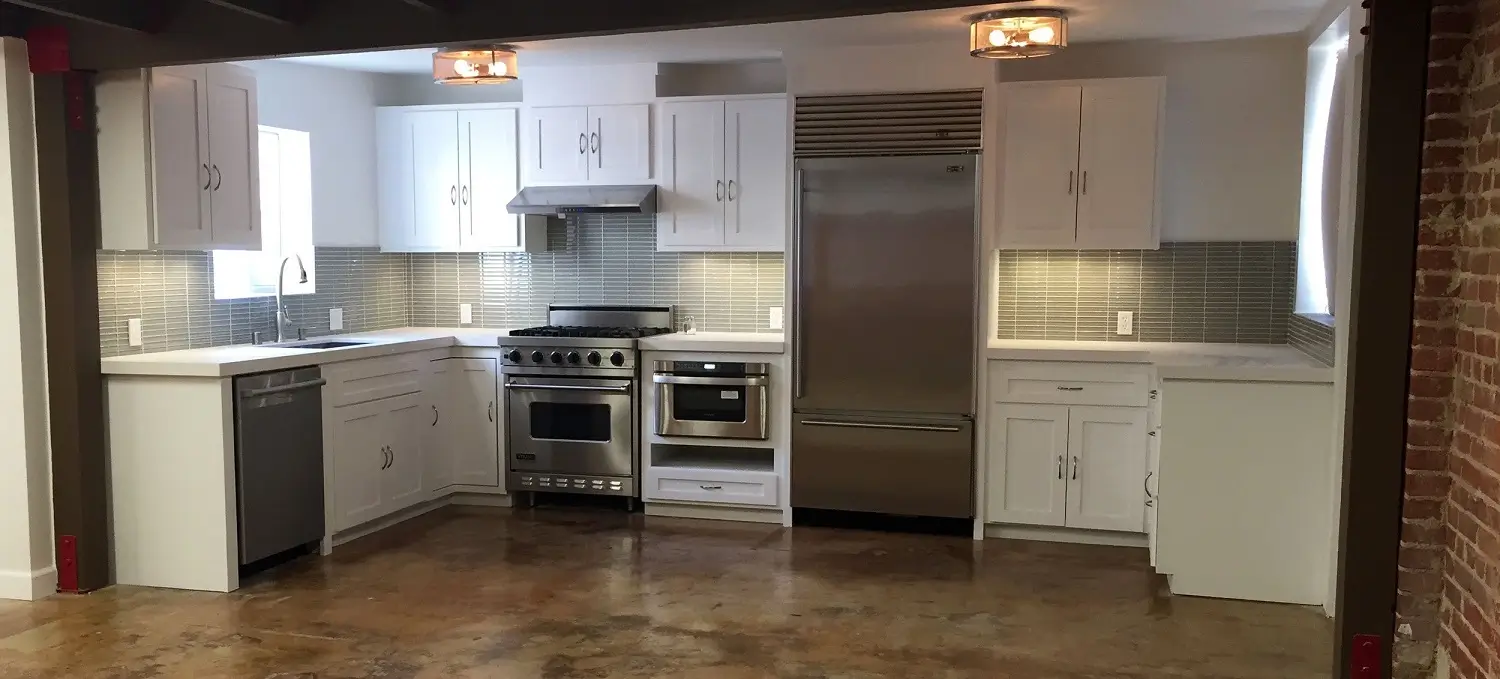
Marcelina Lofts adaptive-reuse development by DECOMA Industries in Old Torrance

Development · Since 1978

Developer, designer, and
general contractor.

DECOMA holds all three roles in house — single-point accountability is why our adaptive-reuse loft jobs land on budget and our urban infill projects clear entitlements on the first cycle. Forty-plus years on the same ground in the South Bay.

Developing in the South Bay
1978
Adaptive-reuse loft projects
20+
CSLB Class license
A/B
California Real Estate
Broker

Trusted by

Names you already know.

See the full client list
  • Walt Disney Imagineering
  • DreamWorks SKG
  • McDonnell Douglas
  • Northrop Grumman
  • Oakley
  • 3M
  • Nestlé
  • Castrol

How a DECOMA development goes

Source. Build. Hold.

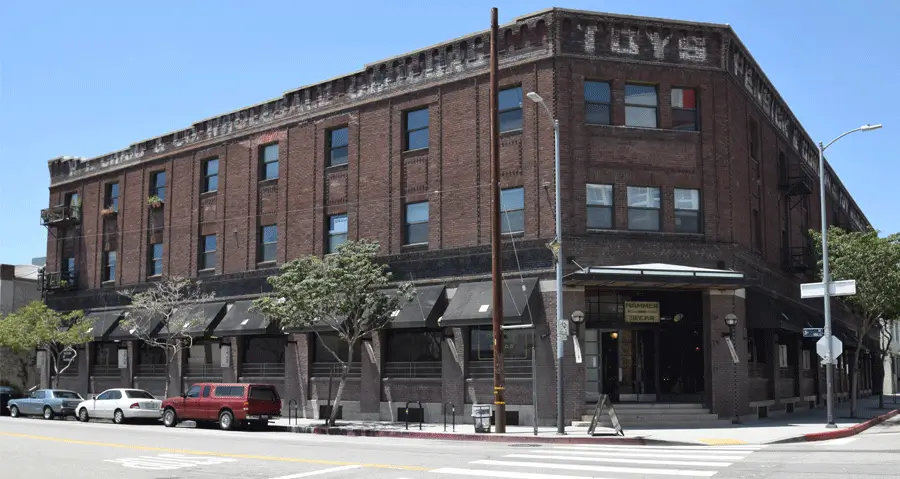
  • Toy Lofts — DECOMA Industries adaptive-reuse loft development

    Deal to entitlement

    Site walks, pre-acquisition feasibility, zoning and code path, pro forma input, entitlement strategy — done before architecture starts.

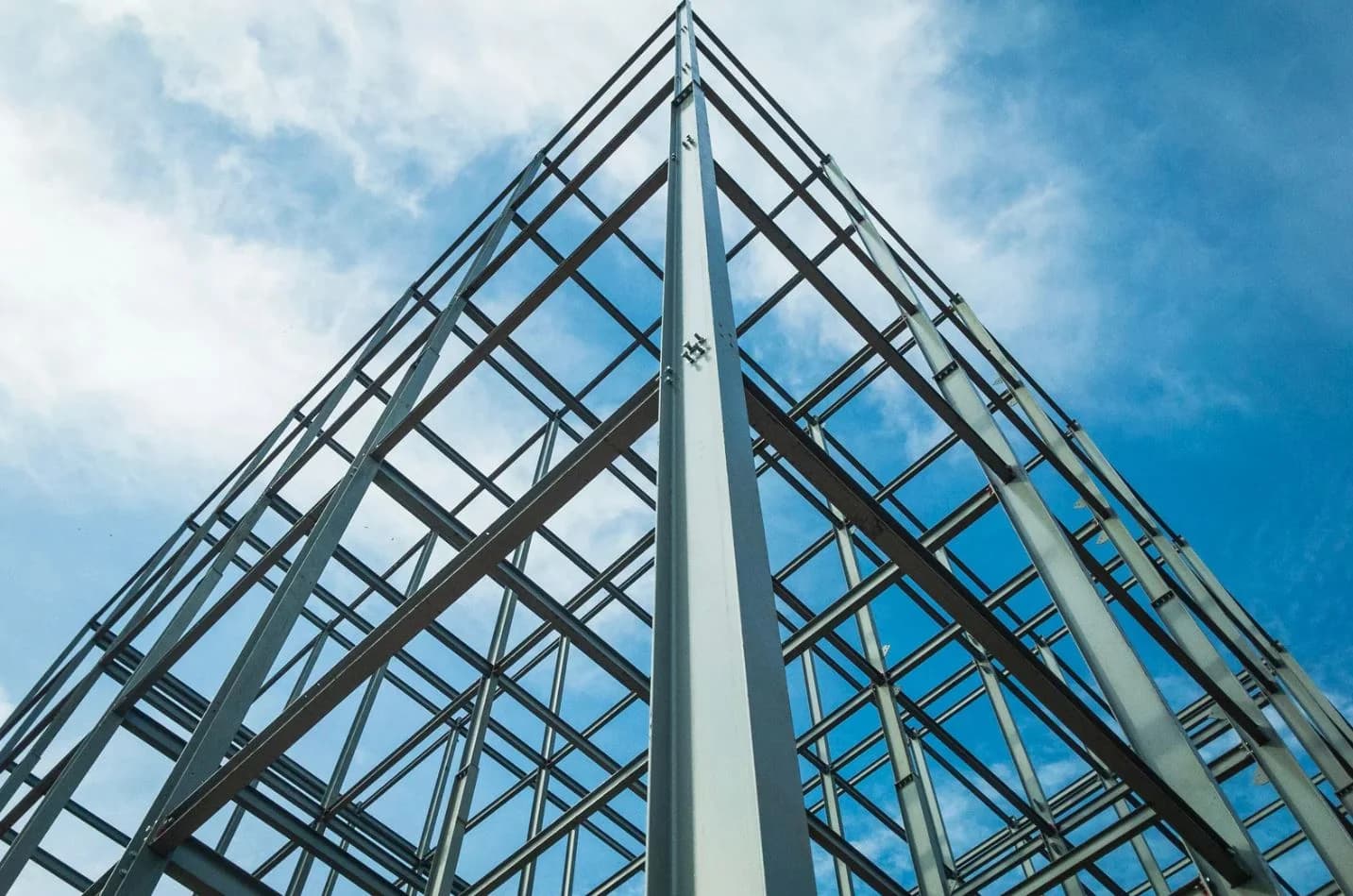
  • DECOMA Industries active commercial construction site

    Self-perform structural

    CSLB Class A engineering self-performs the structural and framing scope most loft conversions need. Single GL policy, single point of contact.

  • Broadway Lofts under DECOMA Industries management

    Operate after CO

    When DECOMA develops to hold, our property management arm runs the building from day one — as-builts in hand, no third-party handoff.

What we develop

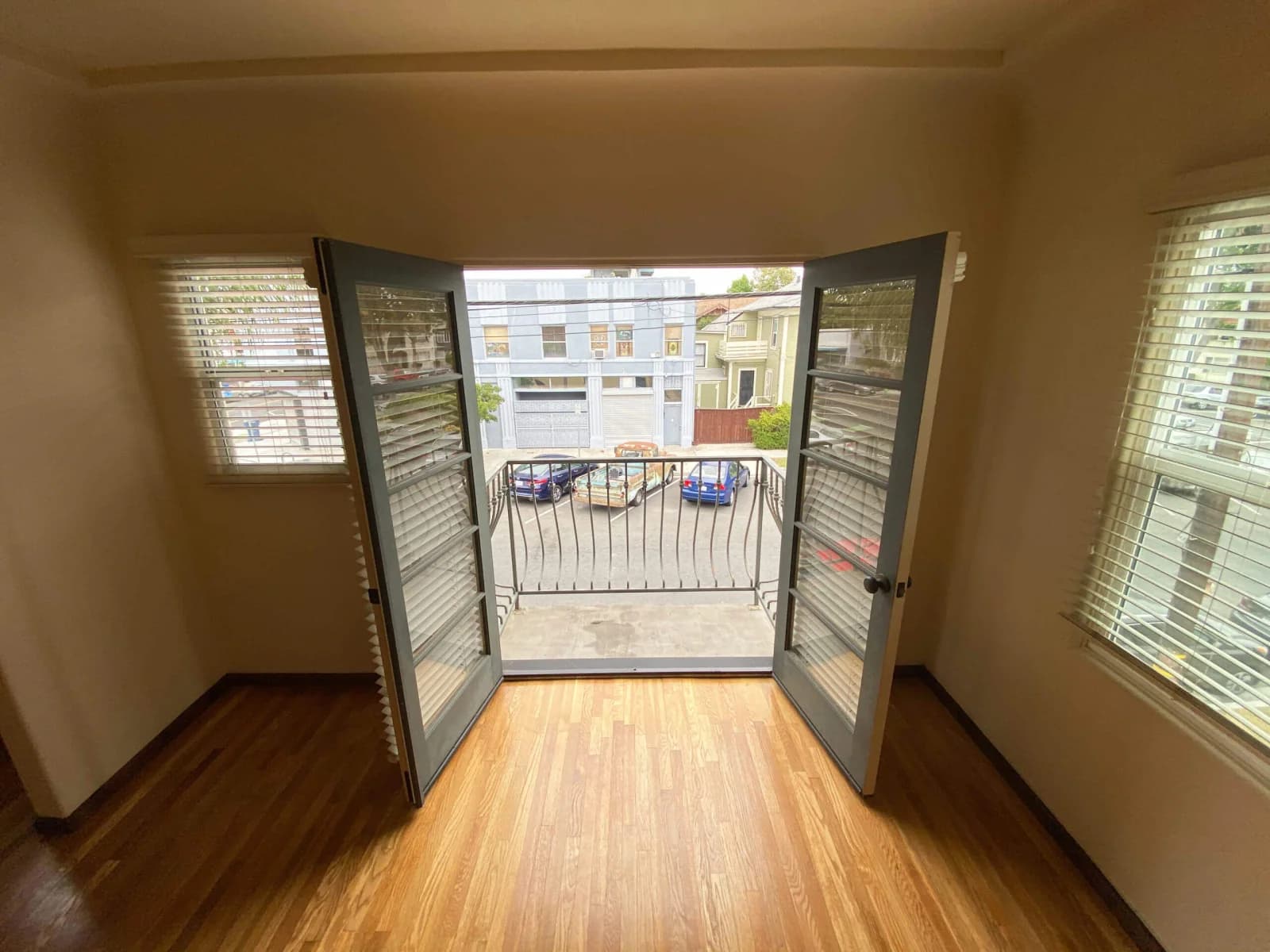
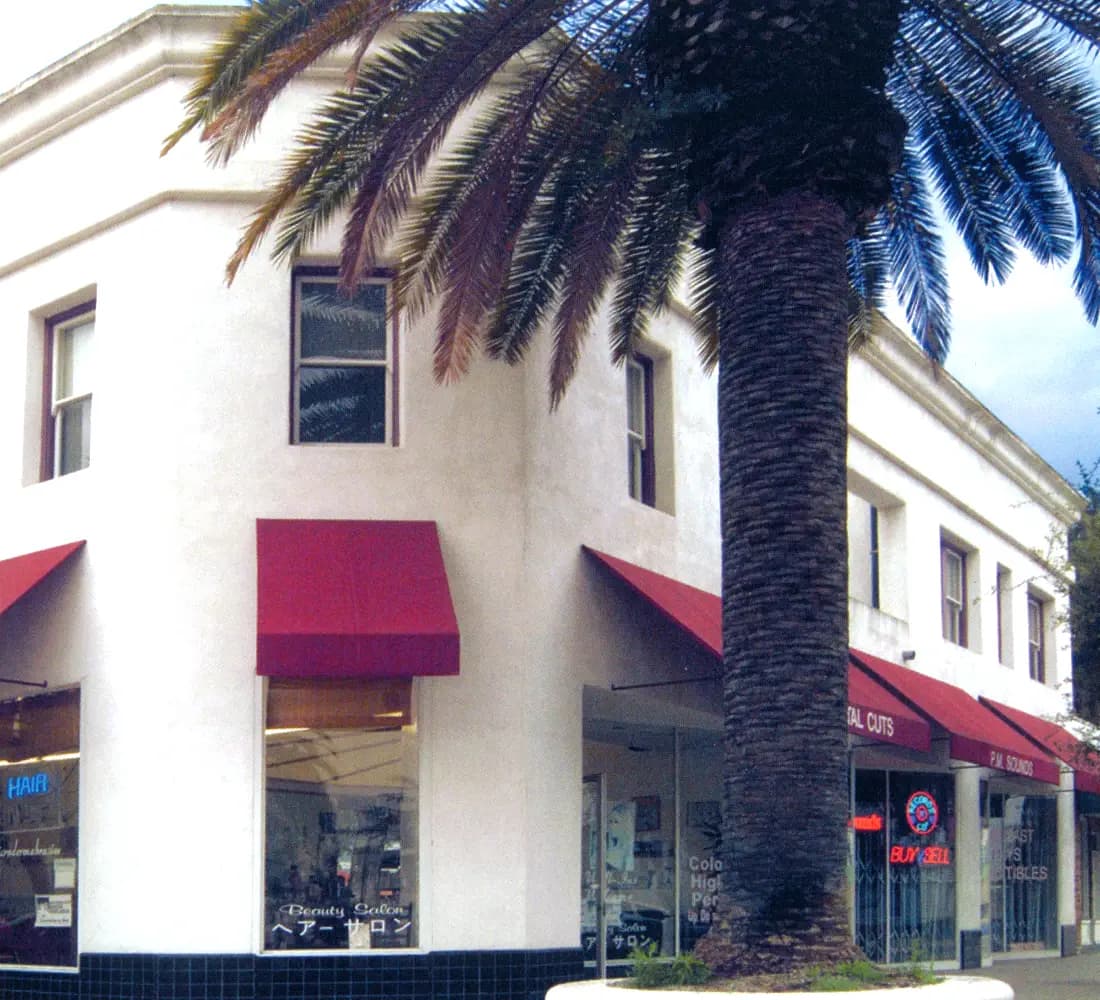
Adaptive reuse and loft conversion is our specialty. We convert tired industrial shells and obsolete commercial buildings into market-rate lofts, live/work units, and creative-office space. The discipline rewards builders who understand what's already in the wall before they cut into it — water-cut concrete instead of sawing, point-loaded reframes around existing trusses, careful sequencing around occupied tenants on neighboring lots. Portfolio anchors include Marcelina Lofts in Torrance, Broadway Lofts in Redondo Beach, Toy Lofts in Los Angeles, and Eastside Lofts in Long Beach.

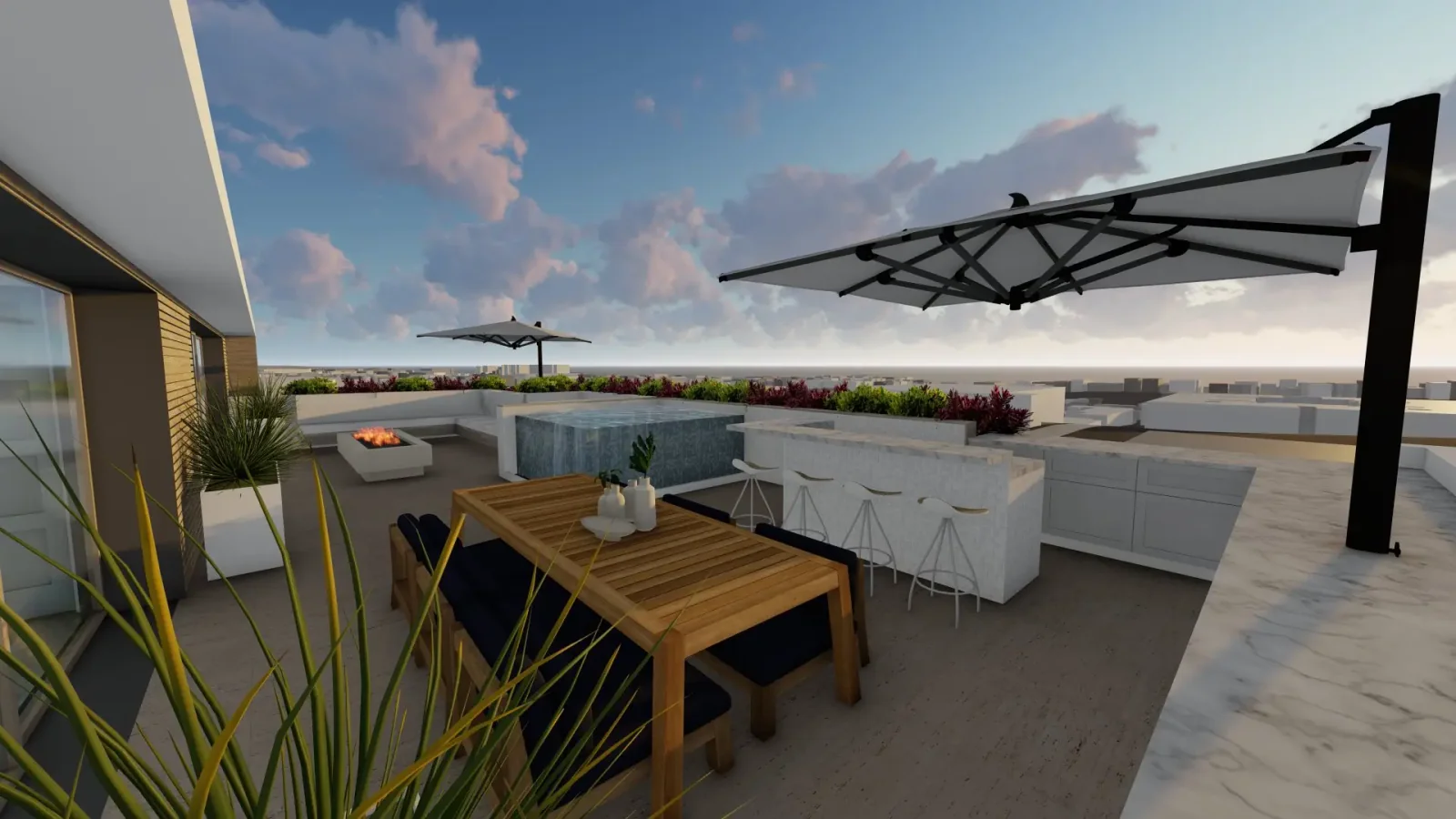
Urban infill mixed-use is three- to five-story buildings on tight urban lots — ground-floor retail or live/work, residential above. The hard part is the puzzle of parking, density bonus, common-area requirements, and Title 24 envelope inside a constrained floor plate. We design to the lot before we draw the building.

Historic preservation and CHBC rehabilitation lets us preserve original stairs, windows, interior finishes, and brick that a standard CBC reading would force us to demolish. The Blair House restoration in Old Torrance is our anchor reference.

Custom homes and developer-built residential — on smaller-footprint developer-led residential we develop, build, and frequently sell the finished product directly. Recent work: Raymond Estate, Redondo Beach Custom Home, Cabrillo Bungalows in Torrance, and Palos Verdes.

How a DECOMA development starts

  1. Site walk and pre-acquisition feasibility. Before you close, we run zoning, code path (CBC vs. CHBC), structural type, parking math, density bonus eligibility, and order-of-magnitude pro forma. Two to three weeks. If the numbers don't pencil, we tell you on the walk.
  2. Entitlement strategy. Ministerial or discretionary? SB 9, SB 35, SB 423, AB 2011, or full CUP? The right path saves twelve to eighteen months. We map it on the schedule before the architect starts CDs.
  3. Design–build coordination. DECOMA designs alongside the architect with construction sequencing built in from day one — not value-engineered out at 60% CDs.
  4. Permit, construction, and turnover. Our GC arm self-performs structural, framing, and finish on most loft projects, with subbed trades for MEP, fire, and finishes. Single GL policy. Single point of contact.
  5. Post-CO property management. When DECOMA develops to hold, our property management arm runs the building.

Talk to us about a development

If you have a building, a site, or a capital partner looking for a developer-builder, reach out. The first conversation is always free — we'll tell you within thirty minutes whether the project has the bones to pencil.

Start with a free consultation → — or browse our Projects for finished work.

Written by John Notaro, President & CEO, DECOMA Industries — CSLB A/B #375508, California Real Estate Broker.

FAQ

Common questions.

What is the difference between DECOMA's development arm and a typical general contractor?
On a developer-led project, DECOMA acts as the principal — sourcing the deal, capitalizing the structure, running entitlements, designing alongside the architect, then self-performing the GC scope. That single-point ownership is why our adaptive-reuse jobs hit budget and schedule. A traditional GC is brought in after the developer has already made every decision that affects cost.
What kinds of buildings are good adaptive-reuse candidates?
Single-story commercial buildings on R-4 or mixed-use zoning, mid-century industrial shells with good bones (steel frame, high ceilings, deep floor plates), and pre-1950 brick masonry buildings that qualify for the California Historical Building Code and federal historic tax credits. We pass on tilt-ups with low clear heights and post-tensioned slabs — the cost to convert almost always exceeds new-build.
Which South Bay cities are friendliest to urban infill mixed-use?
Redondo Beach (Artesia corridor, Riviera Village), Torrance (Old Torrance specific plan, Downtown Torrance), Manhattan Beach (Sepulveda corridor), and Los Angeles (San Pedro, Wilmington, Harbor City under the LA Citywide Adaptive Reuse Ordinance updated in 2024). Each city has its own density bonuses, parking reductions for adaptive reuse, and ministerial approval pathways that materially change feasibility.
Do you do historic preservation work?
Yes — under the California Historical Building Code (CHBC) and the Secretary of the Interior's Standards. We've completed contributing-resource rehabs in the Old Torrance Historic District and qualified-historic adaptive reuse projects throughout LA. CHBC opens up code alternatives a standard CBC project can't access — original window openings, original stair geometries, and original interior finishes can usually be preserved instead of demolished.
Can DECOMA be the equity partner on a development?
Selectively, yes — typically on adaptive-reuse loft projects in the 6–20 unit range where we have direct operating experience. We also partner with outside capital on larger urban infill mixed-use deals where DECOMA contributes the development entitlement work, the construction scope, and post-CO property management through our management arm.

Talk to a contractor

Tell us about your project.

One business day for a scope, timeline, and budget range. CSLB #375508 A/B.